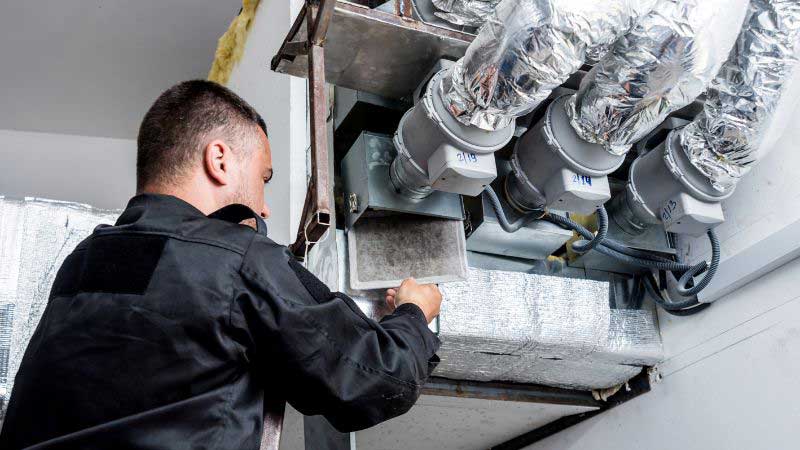
Static pressure is the hidden factor behind HVAC efficiency and system performance. Proper design and equipment selection ensure optimal airflow, energy savings, and long-term reliability.
In the world of professional HVAC design, few factors are as critical to system longevity and performance as static pressure. Whether you are planning a high-end commercial office fit-out or a complex industrial ventilation system, failing to account for static pressure can turn a high-quality installation into a long-term operational nightmare.
At ACE Mangalath PTY LTD, we believe that precision engineering starts with understanding the fundamentals. In this post, we explore why static pressure is the “silent” key to efficiency and why proper equipment selection is non-negotiable for project success.
What is HVAC Static Pressure?
In simple terms, static pressure is the resistance to airflow within your HVAC system’s ductwork and components. Think of it like blood pressure in the human body; it is the force that the air must overcome to move through ducts, filters, registers, and cooling coils.
If you imagine blowing through a straw, a wide straw offers little resistance (low static pressure), while a narrow, kinked straw makes it difficult to push air through (high static pressure). In an HVAC system, this resistance is created by the layout of your ducts, the type of filters used, and the overall design of the air distribution system.
Why Static Pressure Matters
Maintaining the correct static pressure is vital because it directly impacts your system’s “health” in four key areas:
1. Energy Efficiency
When static pressure is too high, the blower motor must work harder to push air through the system, leading to significantly higher power consumption. Properly balanced systems ensure that fans operate at their designed efficiency, reducing unnecessary energy waste.
2. Equipment Lifespan
High static pressure forces motors, fans, and compressors to strain against constant resistance. Over time, this stress leads to premature motor burnout, compressor damage, and frequent mechanical failures.
3. Indoor Comfort and Air Quality
Static pressure issues cause air imbalances. If the pressure is off, you may experience “hot and cold spots” in a building, weak airflow at vents, or excessive noise caused by air struggling through restrictive ducts.
4. System Diagnostics
For engineers and contractors, static pressure is a key performance indicator. Monitoring it allows professionals to diagnose airflow problems, verify if ducts are undersized, or determine if high-MERV filters are causing system-wide performance drops.
The Critical Role of Proper Equipment Selection
You cannot solve static pressure problems after the fact if the equipment was improperly selected during the design phase. This is where expert HVAC consulting becomes a differentiator.
At ACE Mangalath PTY LTD, we emphasize evidence-based equipment selection. When designing a system, we:
- Perform Accurate Load Calculations: Using advanced tools like Camel software, we estimate the exact cooling and heating loads to ensure the equipment is neither undersized (leading to discomfort) nor oversized (leading to high energy costs and potential damage).
- Account for Duct Geometry: We design duct layouts that minimize unnecessary resistance, ensuring the blower fan can operate within its optimal range.
- Compliance & Certification: We ensure every design complies with the National Construction Code (NCC) and Australian Standards, providing the documentation and certification you need for a smooth project handover.
Whether you are managing a commercial kitchen, a basement car park, or a multi-rise office building, getting the equipment selection right at the start prevents the hidden costs of poor performance later.
Frequently Asked Questions (FAQ)
While it depends on the specific design, a typical residential or small commercial system should generally aim for a total external static pressure of 0.5 inches of water column (in. WC) or lower.
Common warning signs include excessive noise from vents, weak airflow, rooms that never reach the desired temperature, and higher-than-normal electricity bills.
Yes. Filters with high MERV ratings are denser and trap more particles, which increases resistance. If your system was not designed for these filters, they can raise static pressure enough to damage your blower motor.
We provide comprehensive HVAC design, drafting, equipment selection, and certification services. We help builders and contractors optimize systems for efficiency, compliance, and long-term reliability.
Contact ACE Mangalath PTY LTD today for professional consulting, design, and certification that puts performance first.