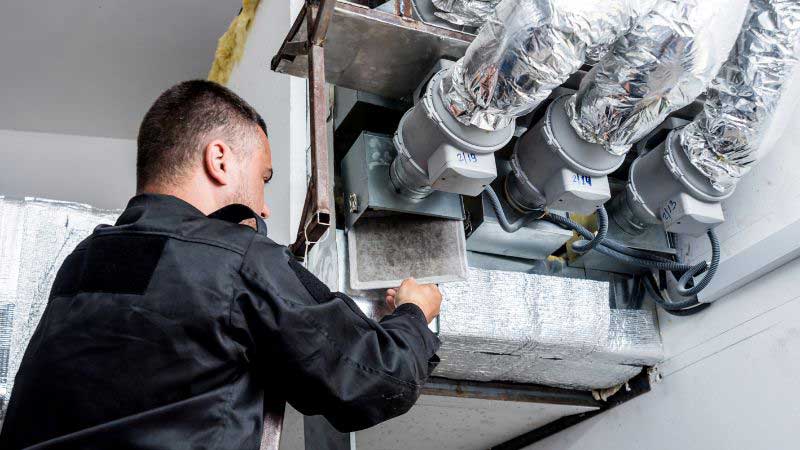
Discover why luxury residential projects require independent mechanical engineering layouts to ensure optimal comfort, flawless aesthetics, whisper-quiet climate control, and high energy efficiency.
Why High-End Residential Projects Need Independent Mechanical Engineering Layouts
Luxury residential architecture has evolved far beyond standard floor plans and aesthetic finishes. Modern high-end homes are intricate, high-performance ecosystems featuring expansive glass facades, soaring double-height ceilings, custom wine cellars, integrated smart home automation, and specialized wellness spaces.
Despite this architectural complexity, mechanical systems are often treated as an afterthought—slotted into generic, one-size-fits-all packages. For luxury builds, this approach compromises comfort, efficiency, and structural integrity. Investing in an independent mechanical engineering layout is essential to protect your investment and elevate the living experience.
Here is why custom, independent mechanical engineering is non-negotiable for high-end residential projects.
1. Tailored Climate Control for Complex Architectural Zones
Luxury homes rarely feature standard room layouts. Open-plan living areas, mezzanine levels, floor-to-ceiling windows, and basement retreats create vastly different microclimates within the same footprint.
Standard packaged heating and cooling systems struggle to balance temperatures across these varied thermal loads. An independent mechanical engineering layout provides a bespoke multi-zone design. Engineers calculate precise heat loads for every orientation, glass type, and volume of space, ensuring uniform comfort whether you are in a sun-drenched conservatory or a subterranean cinema.
2. Whisper-Quiet Acoustic Performance
In a luxury residence, ambient noise from mechanical equipment is unacceptable. Undersized ducts, poorly routed exhaust fans, and improperly selected air-handling units create disruptive hums and vibrations that disrupt the tranquility of a high-end home.
Independent mechanical design prioritizes acoustic engineering from day one. Engineers specify low-velocity ductwork, inline attenuators, and strategically isolated plant rooms. The result is a high-performance climate system that operates invisibly and silently in the background.
3. Superior Indoor Air Quality (IAQ) and Humidity Control
Modern luxury homes are built to be airtight for maximum energy efficiency. Without dedicated mechanical ventilation, indoor pollutants, volatile organic compounds (VOCs) from finishes, and trapped moisture can severely degrade indoor air quality.
Furthermore, high-end assets—such as bespoke timber floors, fine art collections, and custom millwork—require strict humidity control to prevent warping or mold growth. Independent mechanical layouts integrate Energy Recovery Ventilators (ERVs) and advanced filtration systems (such as HEPA and carbon filters) to deliver a continuous supply of fresh, filtered air while maintaining precise indoor humidity levels.
4. Seamless Architectural Integration
One of the greatest challenges in luxury residential design is concealing bulky mechanical services without compromising ceiling heights or architectural lines.
When mechanical layouts are designed independently and concurrently with the structural and architectural plans, services are coordinated seamlessly. Diffusers, grilles, and return-air paths can be integrated into architectural joinery, linear slot diffusers, or shadow-line ceiling details. This proactive coordination avoids costly on-site clashes, redesigns, and dropped ceilings that ruin clean design lines.
Working with experienced engineers who provide professional building services engineering solutions helps ensure that mechanical systems are coordinated effectively with architectural and structural plans, reducing design conflicts and improving overall building performance.
5. Future-Proof Energy Efficiency and Sustainability
High-end homeowners increasingly expect sustainable, energy-efficient operations that reduce ongoing running costs and environmental impact. Off-the-shelf HVAC systems rarely achieve optimal efficiency in luxury builds.
An independent engineering team designs systems optimized for whole-home energy performance. This includes integrating high-efficiency heat pumps, variable refrigerant flow (VRF) systems, underfloor hydronic heating, and smart-home zoning controls that adapt to occupancy patterns and weather forecasts.
Partner with ACE Mangalath Pty Ltd
Designing and executing mechanical services for luxury residences requires specialized technical expertise and meticulous attention to detail. At ACE Mangalath Pty Ltd, we deliver independent mechanical engineering solutions tailored to the unique demands of high-end residential architecture.
From mechanical engineering design to tailored building services solutions, exploring our range of mechanical engineering services can help you understand how to optimize comfort, energy efficiency, and performance in luxury residential projects.
Contact our team today to discuss how we can optimize the comfort, efficiency, and performance of your next luxury project.
Frequently Asked Questions (FAQ)
A: An independent mechanical engineering layout is a custom-designed heating, ventilation, air conditioning (HVAC), and exhaust plan created specifically for a unique building by licensed engineers, independent of equipment suppliers or installation contractors. This ensures unbiased, optimized designs tailored strictly to the project’s needs.
A: While architects and builders excel at spatial design and construction management, complex mechanical systems require specialized thermodynamic calculations, fluid dynamics modeling, and compliance expertise to ensure acoustic comfort, IAQ standards, and energy efficiency.
A: Mechanical engineers should be engaged during the schematic design phase. Early involvement allows for seamless integration of risers, plant rooms, and duct routes before structural and architectural elements are finalized, saving time and preventing expensive alterations during construction.