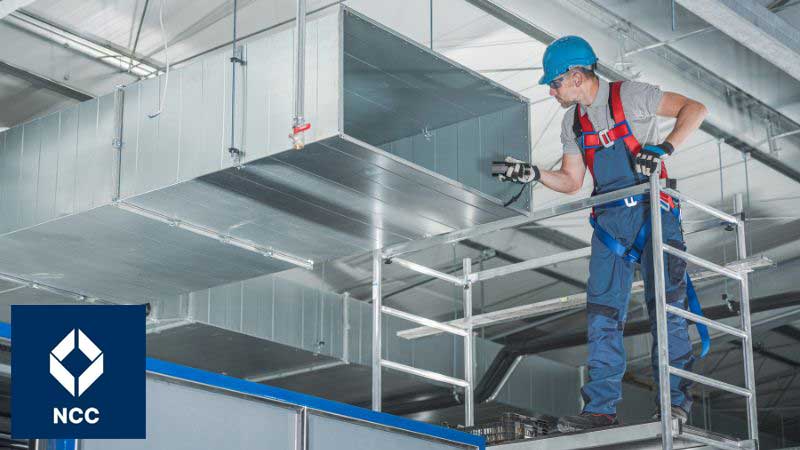
Cooking odours can impact your commercial kitchen’s compliance and reputation. Effective odour control and advanced filtration help maintain a cleaner environment, satisfy regulations, and keep neighbors happy.
Operating a commercial kitchen in a densely populated urban area comes with a unique set of challenges. While delivering high-quality cuisine is your primary goal, maintaining positive relationships with neighboring businesses and residents is essential for long-term success. One of the most common friction points? Cooking odours.
Effective odour abatement and advanced filtration are not just operational best practices; they are critical components of your facility’s compliance and reputation management.
The Impact of Inadequate Filtration
When ventilation systems fail to adequately treat exhaust air, cooking vapours, grease particles, and intense aromas are released directly into the local environment. In urban settings, this often leads to:
- Community Complaints: Persistent cooking smells can lead to formal complaints with local councils, potentially triggering site inspections.
- Property Damage: Unfiltered grease deposits can accumulate on nearby building facades and windows, leading to maintenance issues and potential liability.
- Operational Risk: Poorly maintained systems create grease buildup in ductwork, significantly increasing the risk of kitchen fires.
Advanced Filtration Strategies
To combat these issues, modern urban kitchens must move beyond simple canopy extraction. Implementing a multi-stage filtration strategy is the gold standard.
1. Primary Grease Extraction
The first line of defense is a high-efficiency grease filter within the canopy. Baffle filters are standard, but for high-volume urban kitchens, consider cyclonic or electrostatic grease filters. These units are significantly more effective at capturing airborne fats before they enter the ducting system.
2. Activated Carbon Filtration
Odours are gaseous, meaning they pass right through standard particle filters. Activated carbon is essential here. As exhaust air passes through these carbon beds, the odour molecules are adsorbed onto the surface of the carbon, effectively neutralizing the smell before it exits the building.
3. UV-C Ozone Technology
For kitchens handling high-heat cooking like char-grilling or wok-based cuisines, UV-C technology is a game-changer. These systems utilize ultraviolet light to break down grease molecules at the source. This process significantly reduces the amount of grease entering the ductwork, extending the lifespan of your secondary carbon filters.
Maintenance: The Key to Efficiency
Filtration systems are only as effective as their maintenance schedule. A neglected carbon filter will quickly become saturated, rendering the entire odour abatement system useless.
- Establish a Routine: Partner with specialists to schedule quarterly or bi-annual deep cleans of your extraction system.
- Monitor Performance: Use pressure gauges to monitor the airflow through your filtration banks. A noticeable drop in pressure indicates that filters are blocked and require replacement.
- Log Everything: Maintain a digital record of all maintenance and filter replacements. This documentation is invaluable should you ever need to demonstrate compliance to local regulatory bodies.
Conclusion
Managing exhaust air in an urban environment requires a proactive approach. By combining robust grease extraction, targeted UV-C technology, and consistent activated carbon maintenance, you can ensure your kitchen operates harmoniously within its neighborhood. Investing in these systems protects your facility, your community relations, and your bottom line.
If you are ready to optimize your setup, explore our professional commercial kitchen ventilation design services in Melbourne to ensure your facility meets all industry standards
Frequently Asked Questions (FAQ)
A: This depends heavily on your kitchen’s volume and cooking style. On average, they require replacement every 3 to 6 months. High-intensity kitchens may need more frequent changes.
A: No. Filtration requirements are scaled based on the volume of air extracted and the specific cooking equipment used. A professional assessment is necessary to determine the correct size and capacity of the abatement system.
A: Yes. Modern systems—particularly those using UV-C technology—significantly reduce the accumulation of grease in ductwork, which is a primary fuel source for kitchen fires.
A: Absolutely. Most urban councils have strict guidelines regarding the discharge of kitchen exhaust. It is vital to consult local environmental health standards to ensure your system meets all localized requirements.
A: While it is nearly impossible to eliminate 100% of all aromas, a professionally designed and well-maintained multi-stage system can reduce odours by up to 90–95%, which is typically sufficient to mitigate impact on neighboring properties.