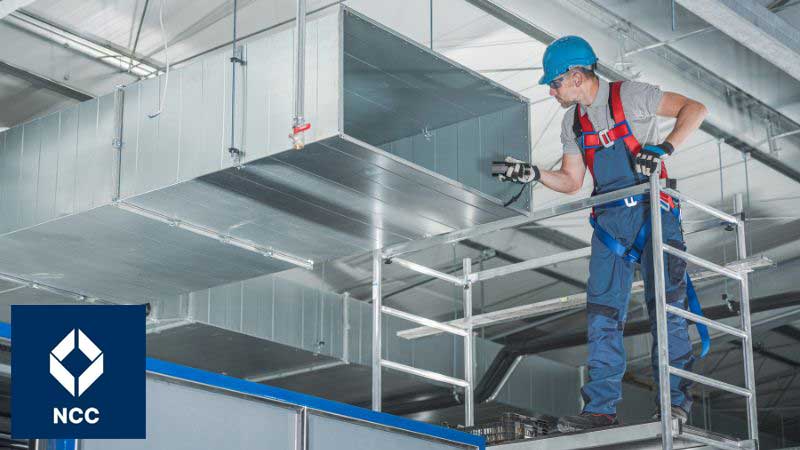
A well-designed kitchen ventilation system is essential for removing heat, smoke, and grease while maintaining a safe and comfortable workspace.
A high-performing commercial kitchen requires more than just top-tier culinary equipment; it demands a robust, meticulously engineered ventilation system. In professional food service environments, effective ventilation is vital for removing heat, grease-laden vapors, smoke, and combustion products. Designing commercial kitchen hoods and exhaust systems requires strict adherence to industry standards, building codes, and safety regulations to ensure a safe and comfortable workspace.
The Core Components of a Compliant Ventilation System
A comprehensive commercial kitchen ventilation (CKV) setup integrates several specialized elements designed to capture and expel airborne contaminants efficiently.
- Exhaust Hoods: Positioned directly above cooking appliances, hoods are categorized primarily as Type I (for grease-producing equipment like deep fryers, charbroilers, and ranges) or Type II (for steam, heat, and odor removal from dishwashers and ovens).
- Grease Filters: Installed within Type I hoods, these baffles or mesh filters extract grease particles from the exhaust air before they enter the ductwork, significantly reducing fire hazards.
- Ductwork: Rigid, airtight metal ducts designed to transport captured exhaust gases safely out of the building. They must be constructed to withstand high temperatures and prevent grease accumulation.
- Exhaust Fans: High-capacity rooftop or wall-mounted blowers that pull air through the system and expel it safely outdoors.
- Makeup Air (MUA) Units: Because exhaust fans pull massive volumes of air out of the kitchen, makeup air systems supply tempered replacement air to maintain proper indoor pressure balance.
Key Design and Compliance Considerations
Designing an exhaust system that meets regulatory codes involves careful calculation and adherence to engineering best practices.
- Capture and Containment: The primary engineering objective is ensuring the hood extends far enough past the cooking equipment edge (typically a minimum overhang of six inches) to capture thermal plumes effectively.
- Airflow Velocities (CFM): Exhaust rates must be correctly calculated based on the type of cooking duty (light, medium, heavy, or extra-heavy) and the linear footage of the hood. Undersized systems lead to poor smoke capture, while oversized systems waste energy.
- Fire Suppression Integration: Type I grease hoods must be equipped with an integrated, automatic fire suppression system (such as wet chemical systems) designed to activate immediately in the event of a grease fire.
- Discharge Standards: Exhaust outlets must terminate safely outdoors, usually several feet above the roofline and away from property lines, windows, or fresh air intakes to prevent cross-contamination.
Best Practices for Long-Term System Efficiency
Proper maintenance and operational habits extend the lifespan of ventilation equipment and keep kitchens compliant during health and safety inspections.
- Routine Grease Cleaning: Schedule professional cleaning of hoods, filters, and ductwork on a regular basis depending on cooking volume to prevent dangerous grease build-up.
- Pressure Balancing: Regularly monitor makeup air systems to prevent negative air pressure, which can cause doors to slam, pilot lights to blow out, and exhaust hoods to function poorly.
- Scheduled Inspections: Partner with certified technicians to test fire suppression linkages, inspect fan belts, and verify electrical connections annually.
Frequently Asked Questions (FAQ)
Type I hoods are built specifically for grease-producing cooking appliances like charbroilers, griddles, and fryers, and they require integrated fire suppression systems and grease filters. Type II hoods are designed for non-grease applications, such as bakery ovens, steam equipment, and dishwashers, focusing primarily on heat, moisture, and odor removal.
Exhaust hoods remove large volumes of indoor air. Without a dedicated makeup air unit to replace this exhausted air, the kitchen develops negative air pressure. This imbalance makes doors difficult to open, causes exhaust systems to perform inefficiently, and can pull dangerous combustion gases back down into the building.
Grease filters should generally be cleaned daily or weekly depending on the intensity of kitchen operations. High-volume fryers and charbroilers require more frequent filter maintenance to prevent fire risks and maintain optimal airflow.
Design and installation must comply with local building and mechanical codes, alongside recognized standards such as NFPA 96 (Standard for Ventilation Control and Fire Protection of Commercial Cooking Operations) and relevant ASHRAE guidelines for indoor air quality and energy conservation.